South Africa and EU deal a blow for Kenya
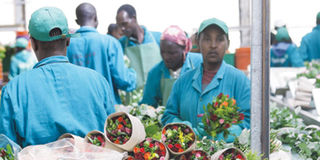
PHOTO | FILE Kenya’s flower industry could suffer if the country does not enter into deals with the EU.
What you need to know:
- The union fears that Kenya could be used as a conduit for restricted goods originating south allowed here but not in European region
An existing trade pact between South Africa and the European Union is presenting a fresh hurdle in negotiations for economic partnership with Kenya.
The European Union (EU) is wary that South Africa could use Kenya as a transit point for goods that have restricted entry into its market.
Trade between Kenya and South Africa has, on the other hand, been growing exponentially mainly in raw materials which form a component of finished local industrial goods. Kenya is also fearful that EU could slap taxes on goods exported there especially those partly manufactured with raw materials from South Africa, hence affecting trade with the bloc.


“In the trade agreement between EU and South Africa, some of the items are classified as ‘sensitive’ and are not allowed to EU without duties. On the other hand, South Africa has trade ties with Kenya that allow these goods in the country. The EU is wary that South Africa could use Kenya as transit for goods to that market hence violating their trade agreement,” said Mr Joseah Rotich, a technical expert in the Ministry of Trade.
According to 2012 Economic Survey, Kenya’s imports from South Africa have risen to Sh71 billion in 2011 from Sh35.4 billion in 2007. The value of exports has risen slightly to Sh2.8 billion from Sh2.3 billion in the same period.
Mr Rotich said the issue will have to be dealt with before an economic partnership agreement is signed with the EU.
It means industries using raw materials from South Africa could face problems selling their products to the EU with possible disruption of trade if the matter is not solved.
Last week, South African officials were in the country seeking to better bilateral trade ties with Nairobi.
Solve the matter
“We are negotiating and expect to solve the matter through regional integration and entering tripartite agreements,” said Mr Rotich.
Experts have called for the signing of the economic partnership agreement between Kenya and EU to be in sync with the East African regional integration to avert disrupting business.
There are concerns that if Kenya, which is particularly under pressure to sign EPAs goes it alone, it could upset the East Africa common market protocol and customs union.
Kenya is in a different trade band from its counterparts in the trade bloc as it is considered a developing country while others are ranked in the least developed countries category.
The country’s current trade with EU is carried out under the Generalised System of Preferences agreements that restrict some items while the other countries operate under the Everything -But -Arms tier that enables them to export all that meets EU market standards.
Ms Aileen Kwa of South Centre, an inter-governmental policy think tank warned earlier this month that if Kenya signs EPAs on its own, it would have great implications on regional trade.
The view was supported by Prof Yash Tandou, a special advisor to the EAC on trade agreements who said EPAs should be sequenced on regional integration to avoid disrupting business.
Other experts warn that Kenya could be slapped with a 16 per cent tax on products that enter EU if it does not sign EPAs with the Sh100 billion horticulture industry likely to suffer a body blow.
The new twist comes even as the EU makes fresh demands like governance in tax matters, environment and sustainable development that experts say could further delay the conclusion of negotiations.
Estimates indicate that Kenya could lose between 5.5 per cent and 15 per cent of its revenue once the EPAs are concluded since the country still faces supply-side constraints thus unable to take advantage of opportunities of the open market.
Some experts argue that entry of goods from the European market on equal terms with those produced locally could undermine industrial growth and entrench a consumer economy.
Proponents of EPAs say the signing will ensure continued free access of products from East African states to the EU market hence extending the frontiers of growth in these countries.
The pressure is more on Kenya due to its large export portfolio in horticulture, tea and coffee to the EU that form the bulk of its foreign exchange.
According to government statistics, EU market absorbs 24 per cent of total national exports, mostly horticulture — cut-flowers, fruits and vegetables. Fish products also end up in the EU market.