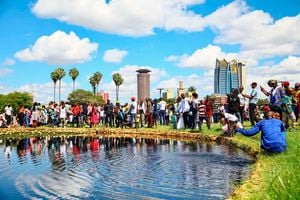
End of an era: No more political rallies at Uhuru Park - Duale The two parks were upgraded at a cost of Sh1.18 billion.
China writes off interest-free loans given to Zimbabwe Activists have warned of a permanent debt trap.
CS Nakhumicha grilled at Senate amid doctors' strike Nakhumicha appeared before Senate to respond to questions touching on Health sector.
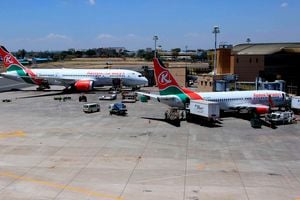
KQ cancels Dubai flights due to bad weather National carrier says the first flight into and out of Dubai was cancelled on Tuesday.
Helicopter picks court orders stopping arrest of Wa Iria The document was to be taken to the Milimani Law Courts in Nairobi.
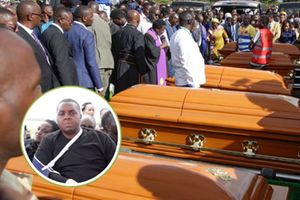
Tearful sendoff for seven relatives who died in Salama crash Tears flow freely as grisly road crash survivor buries seven family members.
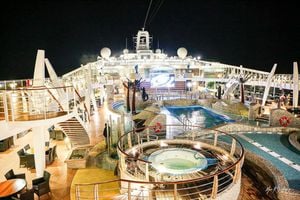
My four-day vacation on a cruise ship I am inside a cruise ship, MSC Splendida, docking at Cape Town Cruise Terminal in South Africa.
A Gen Z perspective on safeguarding your mental health In this episode, Mitchelle Namasaka and Jackie Macharia unravel all aspects of mental health and share tips on safeguarding your own mental wellness in a fast-paced world
Best dating strategy for 2024 Join the TTTT Extra crew as they debunk the best dating strategies this year in the dreaded Nairobi love scene.
A breakdown of medical insurance in Kenya Patients and Doctors complain about insurance, but how can we take active roles in shaping Kenya's medical insurance sector?
Magufuli legacy persists despite Samia's reforms He banned political rallies, stifled the media, promised to annihilate the opposition, and banned the return to school of teenage mothers.
PREMIUM Chesoli: How 2010 Constitution burdens us There is the glaring issue of misguided and conflicting government priorities
PREMIUM How Ukambani politics played role in revocation of Mueke EAC nomination The decision came barely hours to an extraordinary meeting of the EAC Council of Ministers on Tuesday.
KQ cancels Dubai flights due to bad weather National carrier says the first flight into and out of Dubai was cancelled on Tuesday.
My four-day vacation on a cruise ship I am inside a cruise ship, MSC Splendida, docking at Cape Town Cruise Terminal in South Africa.
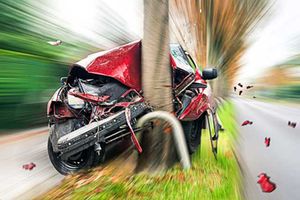
PREMIUM Motor Clinic: Is speed the main cause of road accidents? It is assumed that 'excessive' speed is the main culprit, but scientific evidence paints a different picture.
PREMIUM How gadgets are turning your children into zombies Experts express concern that children are spending a lot of time online instead of engaging in other meaningful activities.
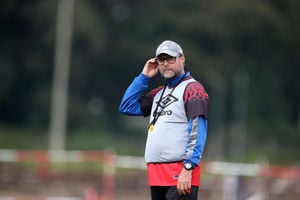
'Fill Nyayo and watch Gor fall!' Trucha rallies Ingwe fans Trucha joined Leopards on October 14 last year – a week after Ingwe lost 2-0 to Gor in the first leg encounter.