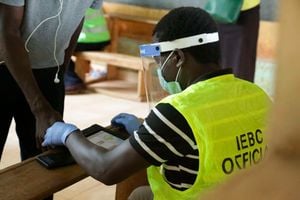
Next IEBC Commissioners must have ICT, accounting background - Report The House can either accept the committee's report or reject it.
UN officials call on UK to reconsider sending asylum seekers to Rwanda They warned the move would have a harmful impact on human rights and refugee protection.
Washington Akumu: A gentleman who stretched the limits of business journalism As a writer, Washington remains one of the finest business journalists to feature in Kenyan media.
Lake Baringo tragedy: Ill-fated boat was overloaded Their vessel capsized between Parmalok and Kokwa Islands.
Two men filmed hanging dangerously from moving car arrested On Monday, CS Murkomen vowed to take action against the vehicle owner.
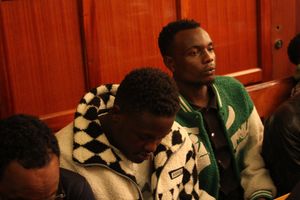
Passengers in Mombasa Road drama arraigned They pleaded for mercy saying they had learnt their lesson.
PREMIUM A secret love affair, a dead university student and a 60-year prison term Joseph Ayomo jailed for 40 years for killing university student Beverly Akinyi.
Why are more women adopting a more masculine demeanor? Exploring the roles both women and men play in accentuating their partners' masculinity and femininity, respectively.
Breastfeeding and women’s struggles we don’t speak about In an all female episode, the ladies share stories with host Dr Wangari from breastfeeding in cars to cracked nipples
A Gen Z perspective on safeguarding your mental health In this episode, Mitchelle Namasaka and Jackie Macharia unravel all aspects of mental health and share tips on safeguarding your own mental wellness in a fast-paced world
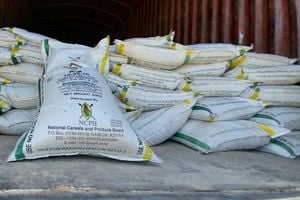
Kisero: Rid fertiliser subsidy of politics Tenders are always bogged down by controversies and allegations of corruption.
Next IEBC Commissioners must have ICT, accounting background - Report The House can either accept the committee's report or reject it.
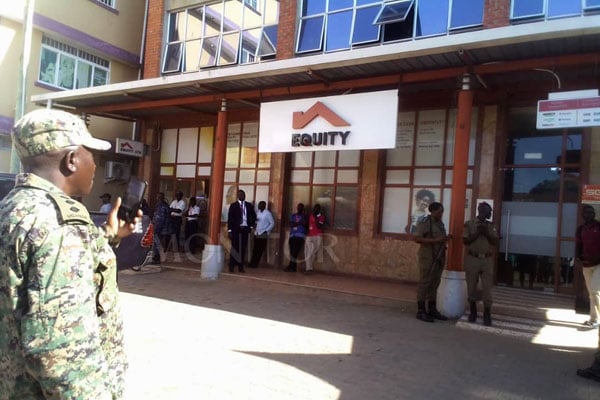
Two arrested after botched robbery attempt at Equity Bank in Uganda The two suspects in police custody are a security guard and his supervisor attached to a private security firm
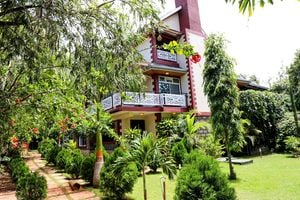
PREMIUM Mosoti’s little 'Garden of Eden' in dry Kamulu He has named the garden Bonbern - a mix of the names of his family members.
Mwalimu Andrew: Why Fiolina left Apostle Elkana’s church in a huff Problems started the day Apostle Elkana co-opted me to his church’s Exco (executive committee).
PREMIUM When dad brings home a Gen Z: 'My father married my agemate!' He found that girl on TikTok; she’s 22 years old!
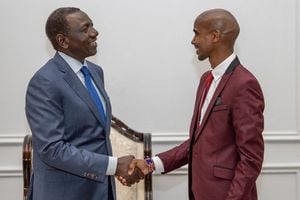
Mo Farah: Kenya made me who I am On Tuesday, he paid a courtesy call on President William Ruto at State House in Nairobi.