KDF chopper crash kills five in West Pokot The KDF helicopter crashed and caught fire in Sindar area.
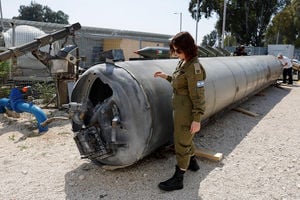
Africa remains vague on Iran-Israel dispute South Africa and Algeria challenged AU's initial steps t accept the Jewish nation as an observer state.
Shurie: How I led risky operation to rescue a teacher from al-Shabaab The objective of al-Shabaab was to create fear, pain, get ransom and gain publicity.
PREMIUM Governors tap Kibaki- and Uhuru-era technocrats County chiefs are keen to overcome challenges such as high wage bills and overdependence on national government funding.
High Court foils bid to make Kenya Kwanza minority party The ruling was made by a three-judge bench following an application by two MPs.
Homa Bay man surrenders to police after killing his ex-wife Man walks into a police post with killer weapon after allegedly murdering his former spouse.
Wetang'ula warns MPs against berating Sh9bn Bunge Tower Anybody defying his order risks the wrath of the Powers and Privileges Committee.
A Gen Z perspective on safeguarding your mental health In this episode, Mitchelle Namasaka and Jackie Macharia unravel all aspects of mental health and share tips on safeguarding your own mental wellness in a fast-paced world
Best dating strategy for 2024 Join the TTTT Extra crew as they debunk the best dating strategies this year in the dreaded Nairobi love scene.
A breakdown of medical insurance in Kenya Patients and Doctors complain about insurance, but how can we take active roles in shaping Kenya's medical insurance sector?
Africa remains vague on Iran-Israel dispute South Africa and Algeria challenged AU's initial steps t accept the Jewish nation as an observer state.
PREMIUM Onyango-Obbo: How to Steal a Marathon 101 And there is a lot of money to be made in throwing away political races.
PREMIUM Gachagua in Ruto’s footstep in plot to take over UDA President Ruto's UDA is set to begin the first phase of its elections next week.
Diani's coliving space for digital nomads Coliving is a new concept that initially targeted affordable residential housing.
PREMIUM Why two master bedrooms are the growing trend in Kenyan homes For many wealthy Kenyan homeowners, one master bedroom is no longer adequate.
Finance skills to help you beat tough times With a little discipline and wisdom, you can stretch that shilling to the next payday. Here are a few ways of doing this.
Self belief: I always knew I was built to be an entrepreneur Eutycus Mwenda is the founder of Milestones Supplies, a fuel depot in Meru town.
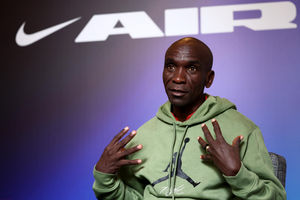
Kipchoge drops all marathon plans for Mission Paris Olympics Kipchoge said teamwork will deliver yet another victory for Kenya in Paris.