16 dead, 28 missing after boat capsizes off Djibouti coast The boat's occupants included children, the International Organisation for Migration (IOM) said.
PREMIUM Kaparo: Birth of URP and the creation of Jubilee Alliance In the final instalment of Francis Ole Kaparo's memoirs, 'Calming the Storm,' he reveals how URP came into being.
Azimio demands public inquest into Ogolla death Opposition calls for judicial inquiry, says military probe will be closed to civilians.
October 10 public holiday renamed Mazingira Day A dispatch from State House said Kenyans to take part in conservation activities on the day.
PREMIUM Iconic Hilton Hotel could convert to student hostels Building could be repurposed in response to shifting market conditions and demand.
Cabinet approves new terms of service for agencies’ chiefs Policy seeks to streamline the management of State corporations.
Why Gen Zs are less interested in clubbing than their Millennial counterparts Explore how Gen Z's values and experiences differ from those of Millennials
Why are more women adopting a more masculine demeanor? Exploring the roles both women and men play in accentuating their partners' masculinity and femininity, respectively.
Breastfeeding and women’s struggles we don’t speak about In an all female episode, the ladies share stories with host Dr Wangari from breastfeeding in cars to cracked nipples
16 dead, 28 missing after boat capsizes off Djibouti coast The boat's occupants included children, the International Organisation for Migration (IOM) said.
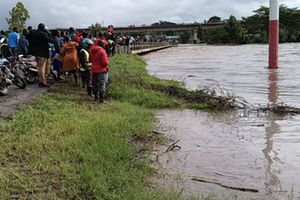
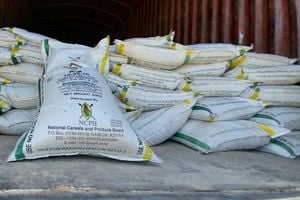
Kisero: Rid fertiliser subsidy of politics Tenders are always bogged down by controversies and allegations of corruption.
PREMIUM Inside UDA's 190,000-candidate grassroots elections Five counties, Nairobi, Narok, West Pokot, Busia and Homa Bay to hold drive on Wednesday, April 24.
PREMIUM Kenya seeking US sovereign debt guarantees for first time. Here's why Kenya is now seeking the assistance of the US government to navigate through its cash crisis.
PREMIUM How court fixed dilemma of 11-year-old defilement victim The younger the victim of defilement, the harsher the punishment for the offender.
PREMIUM Creating wealth, one bead at a time The women own 11 acres of land which they have subdivided and allocated each of the founder members a half-acre plot.
PREMIUM Mosoti’s little 'Garden of Eden' in dry Kamulu He has named the garden Bonbern - a mix of the names of his family members.
KCB handed 'Chumba' boost ahead of African tourney Chepchumba recovers from a knee injury in good time for African clubs event.