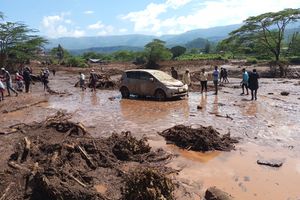
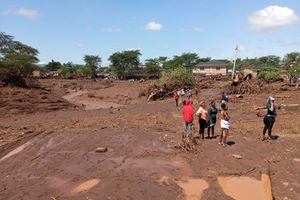
Old Kijabe dam tragedy: Death toll rises to 45 Police say most of the dead were women, children and elderly people who probably could not run fast enough.
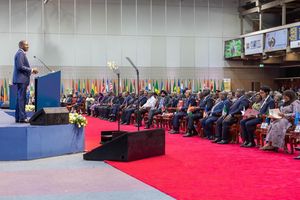
African leaders seek record World Bank financing President Ruto says African economies are facing a "deepening development and debt crisis".
Madogo boat accident: Two bodies recovered, 20 missing The boat capsized while crossing a flooded area from Madogo to Garissa town.
PREMIUM Governor Sakaja under siege: Why UDA is fighting its own in Nairobi If UDA critics in the county assembly can muster the numbers, impeachment would be the next step.
PREMIUM Reality check: Government to reduce budget by Sh350bn Experts warn State may have to cut spending unless it goes big on taxation.
PREMIUM KDF versus Police: Inside the incessant fights between KDF and Police Three incidents of police and KDF soldiers scuffles recorded in two weeks.
My abusive ex is threatening me after I refused to get back together Your case falls within the purview of domestic violence and you are entitled to obtain a protection order.
Breastfeeding innovation helping women in construction. This as an innovation is reusable and employers could purchase to support breastfeeding mothers.
How East Africa's trio is tackling domestic violence In this episode, we explore the achievements Kenya, Uganda, and Tanzania have made in addressing domestic violence
Why Gen Zs are less interested in clubbing than their Millennial counterparts Explore how Gen Z's values and experiences differ from those of Millennials
African leaders seek record World Bank financing President Ruto says African economies are facing a "deepening development and debt crisis".
PREMIUM Guyo: Patients’ blood on State’s hands Accountability for patient deaths during the strike and failures in the health sector are the government’s.
PREMIUM Kalonzo: Fazul is a 'hatchet man' being used to attack Atwoli Musyoka says Azimio is concerned about attacks targeting Cotu’s leadership.
MPs, Senators jostle over sugar levy beneficiaries The Sugar Bill introduces a four percent Sugar Development Levy on both domestic and imported sugar.
Mwalimu Andrew: Why we will not open school tomorrow I spent the last two days sending a message across that Mwisho wa Lami Primary School will re-open on Thursday, May 2.
PREMIUM Sacrificed innocence, child labour in the heart of Nairobi Driven by unforgiving challenges, many Kenyan children are forced to take on roles far beyond their years.
Are you a man and want to take better care of yourself? Get a wife… Consciously aim to be close to your wife because you will do far better in life if you are open and honest with her.
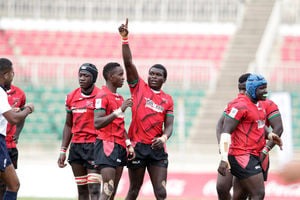
Chipu exact sweet revenge over Zimbabwe to reclaim Barthes Trophy It was sweet revenge for Chipu after they lost to Zimbabwe twice last year.