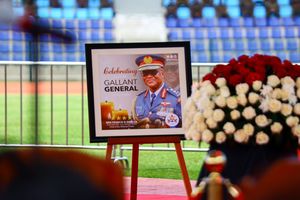
PREMIUM Ruto’s military changes signal a break from the past Gen Kahariri takes over as Chief of Defence Forces following the death of Gen Francis Ogolla.
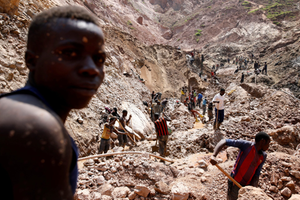
M23 rebels claim control of Congo mining town Most of Congo's mineral resources are concentrated in the east, where insecurity has worsened.
PREMIUM Lone battle for Linturi as Ruto allies sell him down river The impeachment motion against the CS sailed through with relative ease.
Floods destroy lodges, kill animals in Maasai Mara Helicopters have been used to rescue tourists marooned in the game reserve.
PREMIUM Airtel gets Sh22bn IFC cash for Kenya, Rwanda, DRC units IFC has made Sh26.99 billion investment in Airtel Africa to fund its operations and refinance existing loans.
PREMIUM Revealed: Coxswain in Lake Baringo boat tragedy was a minor The boat was carrying 23 passengers against the recommended capacity of eight.
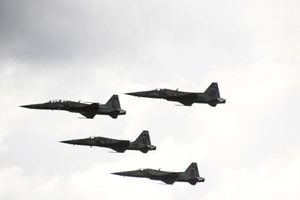
PREMIUM Kenya taps Israeli loan for upgrade of air defence Kenya is acquiring a high-tech missile defence system from Israel using a Sh1 billion loan from Tel Aviv.
Is arranged marriage our only solution? From tradition to modernity, we uncover the complexities and choices within such relationships.
Africa feels pinch In this episode, we listen to tales of Africa by Africans... these voices tell the same story, just from different parts of the continent
Breastfeeding innovation helping women in construction. This as an innovation is reusable and employers could purchase to support breastfeeding mothers.
M23 rebels claim control of Congo mining town Most of Congo's mineral resources are concentrated in the east, where insecurity has worsened.
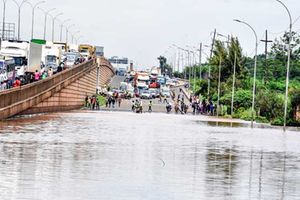
PREMIUM Mathiu: C’mon, save us from the deluge This is the worst flood disaster in recent memory and there is room for things to get a lot worse.
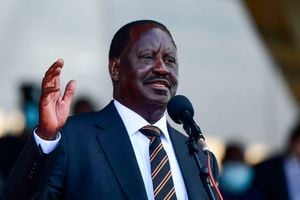
Floods: Azimio blames State for lack of contingency measures Mr Odinga says the floods have exposed Kenya’s failure to properly plan for climate-change-driven disasters.
PREMIUM Kenya taps Israeli loan for upgrade of air defence Kenya is acquiring a high-tech missile defence system from Israel using a Sh1 billion loan from Tel Aviv.
We are using sport to change young people’s lives In Nakuru, young Kenyans are embracing sport to kick out crime and ethnic strife.
Soldiering on after death Ohangla maestro Abenny Jachiga Jachiga's widow, Belinda Aluoch, says she is struggling to make ends meet after her husband's death.
Caught in a deluge after driving down to Mombasa No sooner had Safari put up the car pictures on one of the Mombasa-centric advert websites than there was an immediate reply from a Mark Mutua of the Ports Authority, asking us to drive the...
Preparations in top gear for World Schools Cross Country Championships The championships are being held for the second time in Africa after Morocco in 2000.