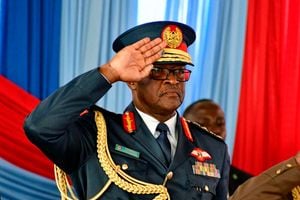
When I die bury me within 3 days: Gen Ogolla’s request to family Kenya's military chief to be buried in Siaya.
Gabon’s junta looks for democratic path to stay in power Nguema has been learning politics fast since seizing power in a bloodless coup on August 30 last year.
Shurie: My hunt for man accused of plotting coup against Moi Mr Shurie, a battle-hardened former police commander, spills the beans on a Kanu-era cloak-and-dagger operation that nobody ever told you about.
General Ogolla's last trip to the North Rift Kenya's military chief died in a helicopter crash along with nine other people
PREMIUM Why Kisii violence just won't go away Police in Kisii banned protests by two political groups on security grounds.
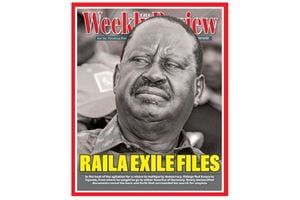
Raila: ODM is bigger than me As he prepares his troops for his possible exit, Raila says the ODM party is about Kenyans.
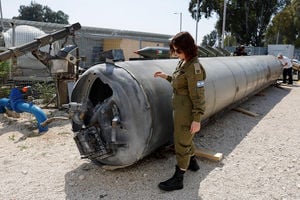
Israel bombs Iran Netanyahu had vowed his country would respond after Iran fired drones and missiles at Israel on April 13.
A Gen Z perspective on safeguarding your mental health In this episode, Mitchelle Namasaka and Jackie Macharia unravel all aspects of mental health and share tips on safeguarding your own mental wellness in a fast-paced world
Best dating strategy for 2024 Join the TTTT Extra crew as they debunk the best dating strategies this year in the dreaded Nairobi love scene.
A breakdown of medical insurance in Kenya Patients and Doctors complain about insurance, but how can we take active roles in shaping Kenya's medical insurance sector?
Africa remains vague on Iran-Israel dispute South Africa, Algeria challenged AU's initial steps to accept the Jewish nation as an observer state.
PREMIUM Mathiu: Have continuity in public projects Like the hunter-gatherers, our post-Independence dispensation is not built for generational handover.
Raila: ODM is bigger than me As he prepares his troops for his possible exit, Raila says the ODM party is about Kenyans.
PREMIUM KRA trap for those seeking affordable housing The proposal is likely to rattle many Kenyan hustlers without regular pay slips
The young farmers’ revolution A farm is the last place you would expect to meet any soon-to-be graduate. But, having accepted the reality of food insecurity and the marvels of agritecture, these millennials are determined to...
Safara gets a chance to be factory manager The little Chinese mall mandarin wasn’t a man, I had learned, given to waiting around.
DJ Pierra Makena: I will be an ambulance driver when I retire Pierra Makena is an award-winning actress and radio host who is more popular for her DJ skills. She won Best Supporting Actress for her role in When Love Comes Around.
PREMIUM Angella Okutoyi: African tennis champion now dreaming of Olympics glory Okutoyi in race against time to realise her Olympic dream.