Chief of Defence Forces Francis Ogolla is dead President William Ruto announces the death of Chief of Defence Forces Francis Ogolla.
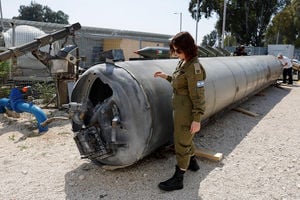
Africa remains vague on Iran-Israel dispute South Africa, Algeria challenged AU's initial steps to accept the Jewish nation as an observer state.
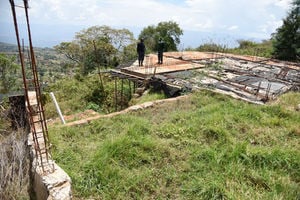
PREMIUM Locals recall moments with KDF team before deadly crash The KDF officers led by CDF Francis Ogolla spent about an hour at the school.
Woman gives birth in court after child murder acquittal Machakos woman delivers a bouncing baby girl right outside the courtroom.
Case to declare Kenya Kwanza minority party to continue The ruling was made by a three-judge bench following an application by two MPs.
Homa Bay man surrenders to police after killing his ex-wife Man walks into a police post with killer weapon after allegedly murdering his former spouse.
Wetang'ula warns MPs against berating Sh9bn Bunge Tower Anybody defying his order risks the wrath of the Powers and Privileges Committee.
A Gen Z perspective on safeguarding your mental health In this episode, Mitchelle Namasaka and Jackie Macharia unravel all aspects of mental health and share tips on safeguarding your own mental wellness in a fast-paced world
Best dating strategy for 2024 Join the TTTT Extra crew as they debunk the best dating strategies this year in the dreaded Nairobi love scene.
A breakdown of medical insurance in Kenya Patients and Doctors complain about insurance, but how can we take active roles in shaping Kenya's medical insurance sector?
Africa remains vague on Iran-Israel dispute South Africa, Algeria challenged AU's initial steps to accept the Jewish nation as an observer state.
PREMIUM Mathiu: Have continuity in public projects Like the hunter-gatherers, our post-Independence dispensation is not built for generational handover.
PREMIUM Gachagua in Ruto’s footstep in plot to take over UDA President Ruto's UDA is set to begin the first phase of its elections next week.
Construction main culprit in cleaning dirty money, says report Half of private companies fingered for money laundering are in the construction sector.
PREMIUM Why two master bedrooms are the growing trend in Kenyan homes For many wealthy Kenyan homeowners, one master bedroom is no longer adequate.
Finance skills to help you beat tough times With a little discipline and wisdom, you can stretch that shilling to the next payday. Here are a few ways of doing this.
Self belief: I always knew I was built to be an entrepreneur Eutycus Mwenda is the founder of Milestones Supplies, a fuel depot in Meru town.
Derby win key to Gor Mahia's title defence, says McKinstry Gor top the FKF-PL standings with 54 points from 26 matches.